



.png)
Spring Into Action
Grow Your Garden
It’s time to think about gardening!
Growing your own food can be a transformative experience. Whether you live in the city and only have room for a few window pots of herbs or you live in the country where you can set up a backyard garden to provide nearly all your produce needs, growing your own food organically can be very rewarding.
If you want to grow your own vegetables/fruits to eat or flowers for pollinators, make sure that your seeds and plants are free from harmful pesticides. Often, seeds and plants in many garden centers across the country are grown from seeds coated with toxic fungicides and bee-harming neonicotinoid pesticides or drenched with them. Ensure a pesticide-free garden by planting organic seeds and plants!
Index
I. Infographic Resources for Your Spring Garden
Helpful Infographic Resources for the Spring
.png)
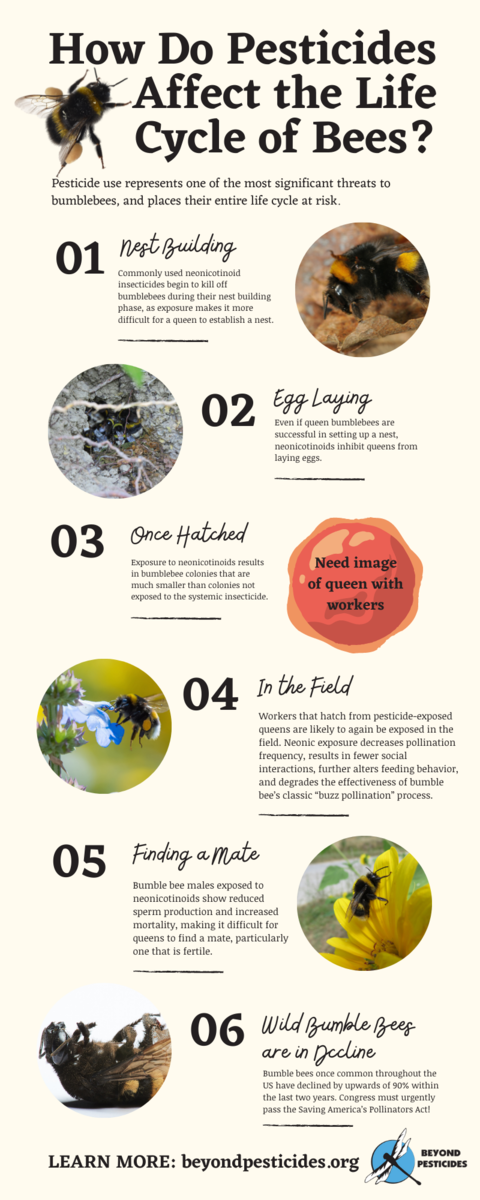

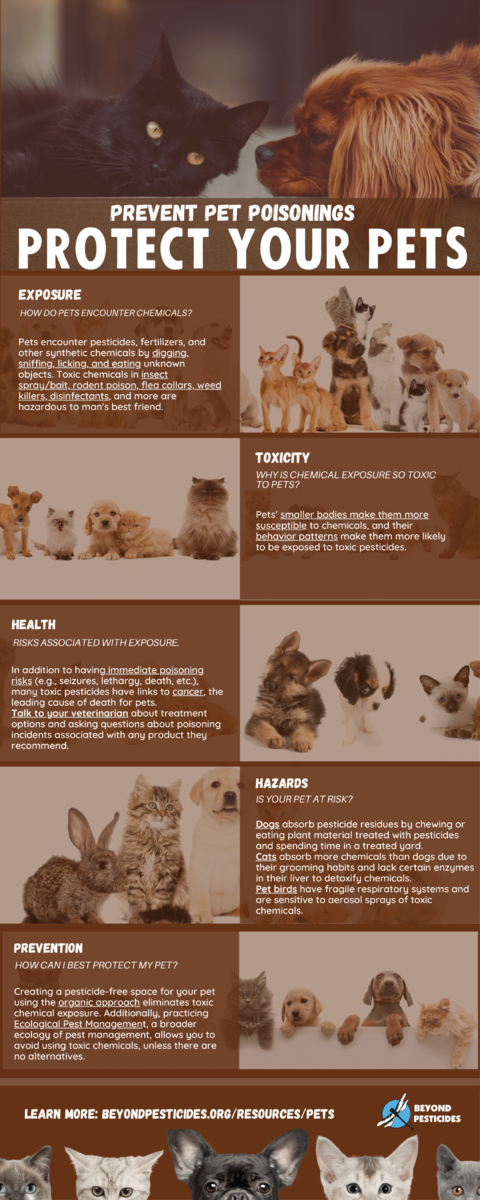

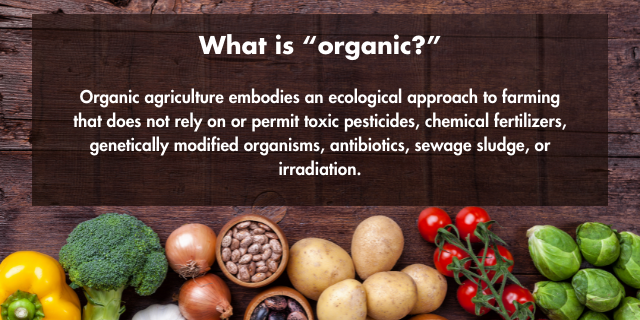
 Organic Gardening 101: Residential
Synthetic fertilizers and chemical pesticides lead to undesirable conditions that restrict water and air movement in the soil. High nitrogen fertilizers can disrupt the nutrient balance, accelerate turf growth, increase the need for mowing, and contribute to thatch buildup.
Why Plant Organic?
- Pesticides have many uses in homes and communities without comprehensive public knowledge about the harm they cause. A growing body of evidence in the scientific literature (documented in Beyond Pesticides' Pesticide-Induce Diseases Database) shows that pesticide exposure can adversely affect neurological, respiratory, immune, and endocrine systems, among others, in humans, even at low levels.
- Children are especially sensitive to pesticide exposure because they (1) take up more pesticides (relative to their body weight) than adults do and (2) have developing organ systems that are more vulnerable to pesticide impacts and less able to detoxify harmful chemicals.
- Furthermore, pets encounter pesticides by digging, sniffing, licking, and eating unknown objects. Toxic chemicals in insect sprays and baits, rodent poison, flea collars, weed killers, disinfectants, and more are also hazardous to our companion animals.
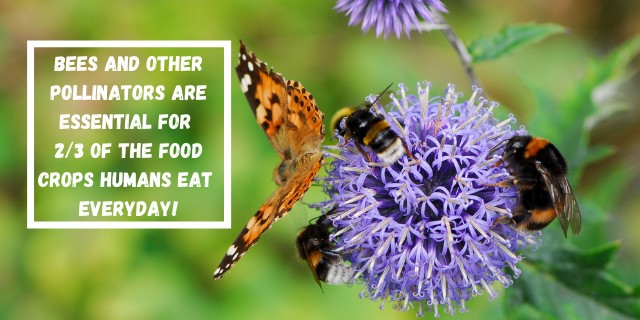
- As bees, butterflies, bats, and other pollinators suffer serious declines in their populations, we urge people and communities to plant pesticide-free habitats that supports pollinator populations.
- Our BEE Protective Habitat Guide provides information creating native pollinator habitats in communities, eliminating bee-toxic chemicals, and other advocacy tools.
- Learn more about the Benefits of Bats and the ecosystem services they provide.
- The What the Science Shows on Biodiversity resource page documents the science connecting pesticides and adverse health effects on bees, other pollinators, and other beneficial organisms.
- Become a beekeeper in your own backyard: Backyard Beekeeping: Pollinator habitat one yard at a time!
- Neonicotinoids are a class of insecticides that are systemic and resemble the effects of nicotine, which are commonly used as seed coatings and on plants. However, birds can mistakenly eat these seeds as a food source, causing many adverse effects.
- These effects include reproductive dysfunction, such as with egg deformation, and even death. For more information on the dangers of neonicotinoid-coated seeds, see Beyond Pesticides’ video Seeds That Poison and the Birds resource page.
Beyond Pesticides highlights artwork submitted by the public that celebrates the beauty of nature. Various drawings, photographs, and paintings feature birds, such as those below. Take a look at other pieces of work from the Art Page and submit your own art here for a chance to be featured on our website, in the next issue of our Pesticides and You Journal, and on social media.


[Pictured left to right: Trix N. (Petersburg, NY) "Cedar Waxwing on Red Elderberry"; Yumi R. (New York, NY) "Birds and the Bees"; Diane E. (Tucson, AZ) "Birds in Our Chemical-Free Yard"; Linda C. (Media, PA) "Winter Nuthatch"]
View the recording from the first session of the 42nd National Forum Series - The Pesticide Threat to Environmental Health: Advancing Holistic Solutions Aligned with Nature, where the speakers talk about their research and practical experience in identifying practices that embrace nature with a collaborative spirit and teach us about the value of bats, birds, and beavers in productive agricultural and land management systems, exemplifying the path forward in all aspects of modern life.
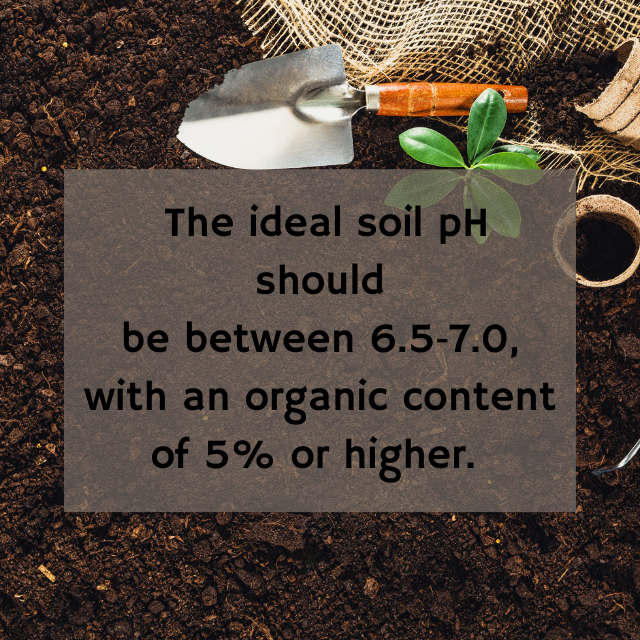
- Wildflowers, native shrubs, and trees, as well as urban green spaces, provide good habitats for beneficial organisms (e.g., worms, ants, beetles, etc.) and microorganisms (e.g., bacteria). All organisms inhabiting soil or loose-leaf litter may encounter synthetic fertilizers and toxic pesticides that threaten survivability, reproduction, and distribution of essential nutrients. Thus, adopting organic land management practices like planting pollinator-friendly plants and cover crops, using organic mulch for weed control, and adding compost to gardens, lawns, and farm fields helps to build and protect biodiversity. See more on soil health here.
View the recording from the first session of the 40th National Forum Series - Forging a Future with Nature:
The existential challenge to end petrochemical pesticide and fertilizer use, where David Goulson, PhD talks about the importance of biodiversity and how to protect it.
There are alternatives to pesticides (The Safer Choice) for effective management of insects, rodents, and weeds without exposing yourself, your family, your pets, and the environment to harmful toxic chemicals.
Chemicals to Avoid
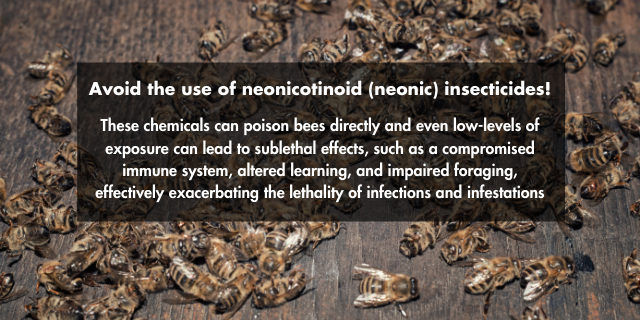
For information on additional pesticide active ingredients, visit the Gateway on Pesticide Hazards and Safe Pest Management.
Safer, Least-Toxic Alternatives
Now you may be wondering what products are safe to use. Looking for organic certification labels, such as with the Organic Materials Review Institute (OMRI) label, helps guide individuals to least-toxic products. Visit Beyond Pesticides' resource on Products Compatible with Organic Landscape Management for more information. This incorporates two established lists of materials and products: (i) the National List of Allowed and Prohibited Substances of the Organic Foods Production Act (OFPA), and (ii) the U.S. Environmental Protection Agency’s list of exempt pesticides, Section 25(b) of the Federal Insecticide, Fungicide, and Rodenticide Act (FIFRA).
- Some of the products you may need for your garden include seeds, potting soil, mulch, tools, fertilizer, and compost.
- For most small-scale gardeners, pest problems can be contained with simple manual removal (scout the insects and remove them). If you decide to use a product to get rid of pests, do not be fooled by products labeled as “safe” insecticides.
- In general, unless you can find these products on the OMRI list of approved substances (often products approved will say “OMRI approved” on their labels), they do not meet organic standards. Sometimes it is because they contain non-organic inert ingredients that may be toxic.
- This same caution applies to fertilizers and potting soil as well. One of the great things about gardening at home on a small scale is that you can often create all the fertilizer you need yourself through simple composting of kitchen and yard scraps.
Capturing the Art of Life—Art Page Features

Plant Your Own Organic Garden or Buy Them Straight from the Source.
 Have a problem with weeds taking over your yard and garden?
Beyond Pesticides' guide on how to Read Your Weeds allows people to identify weeds in their lawn and suggests non-toxic or least-toxic solutions. Additionally, Beyond Pesticides’ webpage on Ecological Management of Invasive Species is a great resource for broad weed management.
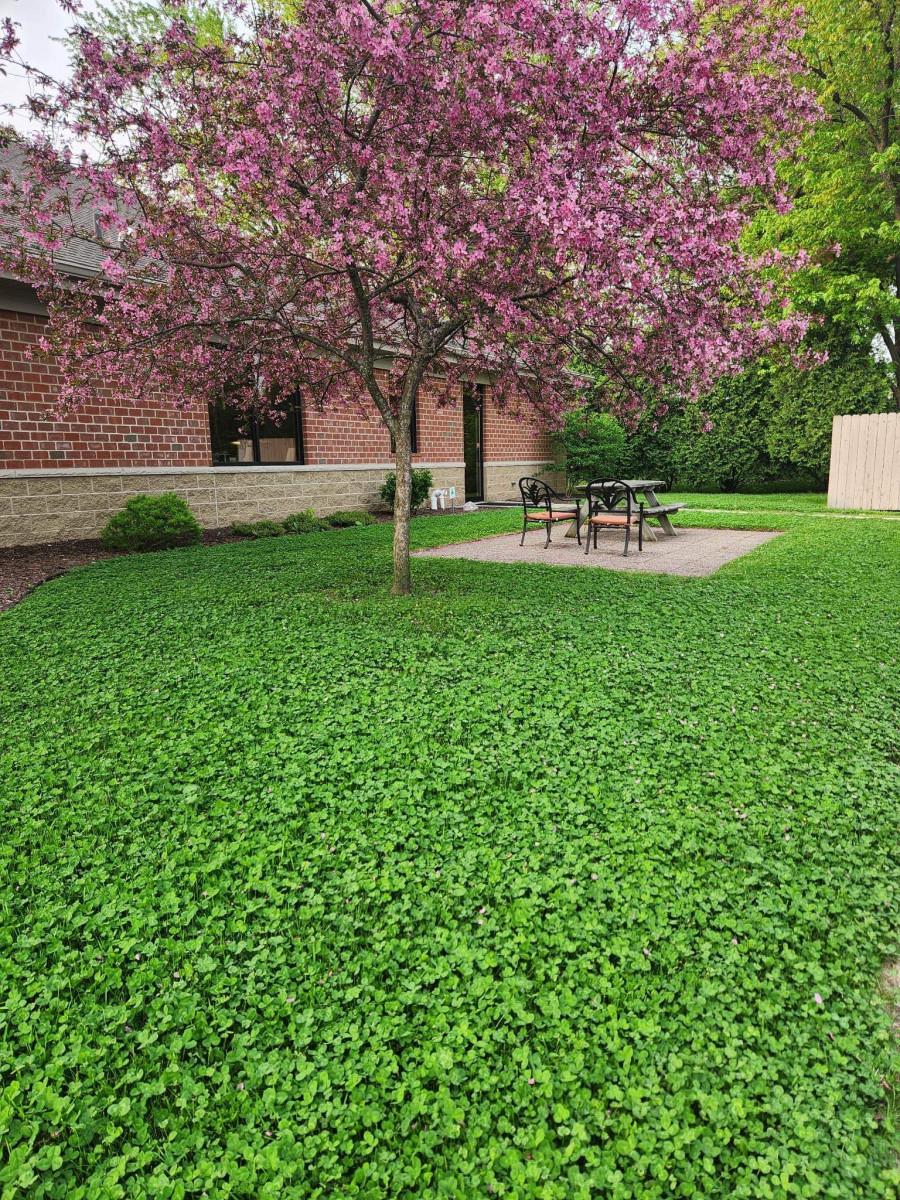
Many plants that are considered weeds have beneficial qualities. Try to develop a tolerance for some weeds in your garden. For instance, clover is considered a typical turf weed, but it thrives in soil with low nitrogen levels, compaction issues, and drought stress. See Taking a Stand on Clover: The benefits of clover to bees, soil biology, and water quality to learn more.
Art Page submission "Post-Pesticide Paradise" by JoAnne F. from Cascade, WI, above left.
Other Garden, Lawn, and Pesticide Resources
Organic Gardening 101: Community Action
Many urban areas have community gardens where you can get your own plot if you do not have land by your residence. Community gardens in some urban environments have transformed the landscape and the community itself. Read about some successful community gardens in New York City from Beyond Pesticides' Pesticides and You journal. If you want to get your hands dirty but do not have the space or the desire to start a garden, see if there are any community-supported farms near you that could use your helping hands for weeding or other projects.
Parks for a Sustainable Future 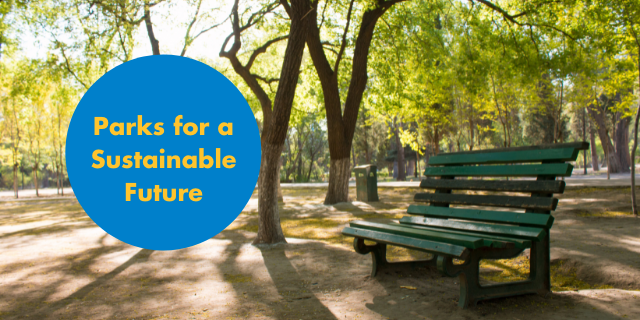
Does your community have a pesticide-free park managed with organic practices? Do you wish it did? The time to take action to protect those parks and create new ones is now.
Beyond Pesticides is partnering with major retailers like Natural Grocers and Stonyfield Organic, and dozens of communities across the nation to create organic communities where local parks, playing fields, and greenways are managed without unnecessary toxic pesticides and synthetic fertilizers.
Our Parks for a Sustainable Future program provides in-depth training to assist community land managers in transitioning two or three public green spaces to organic landscape management while aiming to provide the knowledge and skills necessary to eventually transition all public areas in a locality to these safer practices.
With YOUR help, we can achieve our vision. Become a Parks Advocate today!
Parks for a Sustainable Future Program by Beyond Pesticides
Other Resources
- Learn about the local and national efforts to prevent exposure to toxic chemicals on the State Regulations and U.S. Pesticide Reform Policies webpages.
- Failure-to-Warn webpage and fact sheet: Protect the Right of Farmers, Consumers, and Workers to Hold Pesticide Companies Accountable for Their Harmful Products.
- Action of the Week offers one concrete action that you can take each week to have your voice heard on governmental actions that are harmful to the environment and public and worker health, increase overall pesticide use, or undermine the advancement of organic, sustainable, and regenerative practices and policies.